
01 / BEFOREInitial State
The Real Starting Point & Client Need
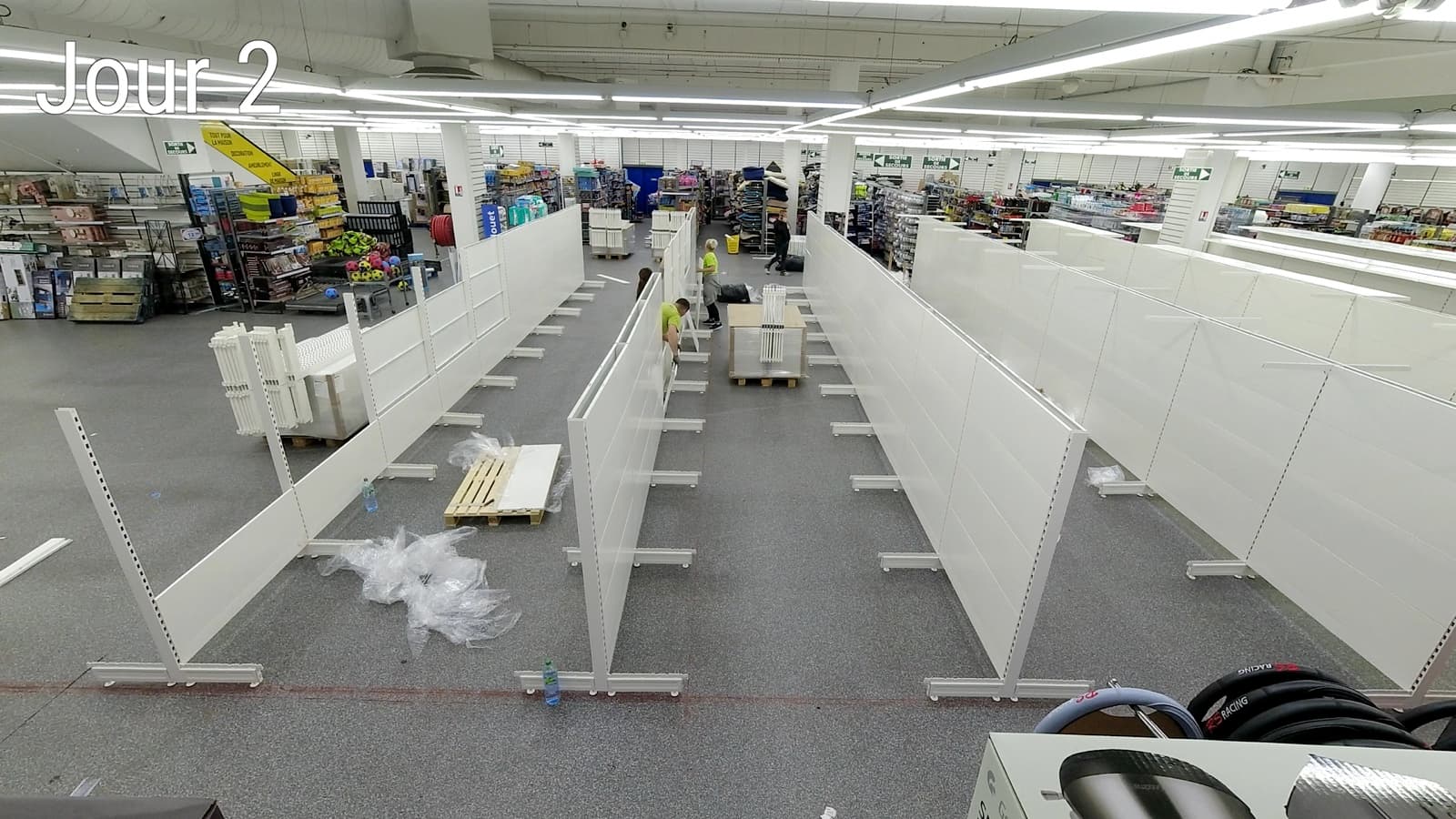
Store layout prior to mobilisation. Initial fixture mapping, aisle access review, and delivery staging area confirmed prior to work commencement.
See the work behind a store transformation: the starting point, the overnight execution and the handback. IPS StoreOps documents real interventions through field video, photography and project reporting.
Each project is presented through three clear moments: the real starting point, the IPS team carrying out the work, and the documented result handed back to the store.
Store layout prior to mobilisation. Initial fixture mapping, aisle access review, and delivery staging area confirmed prior to work commencement.
Field teams active under evening protocol. Fixture relocation, modular gondola assembly, and merchandise re-sequencing captured live during multi-site retail rollout.
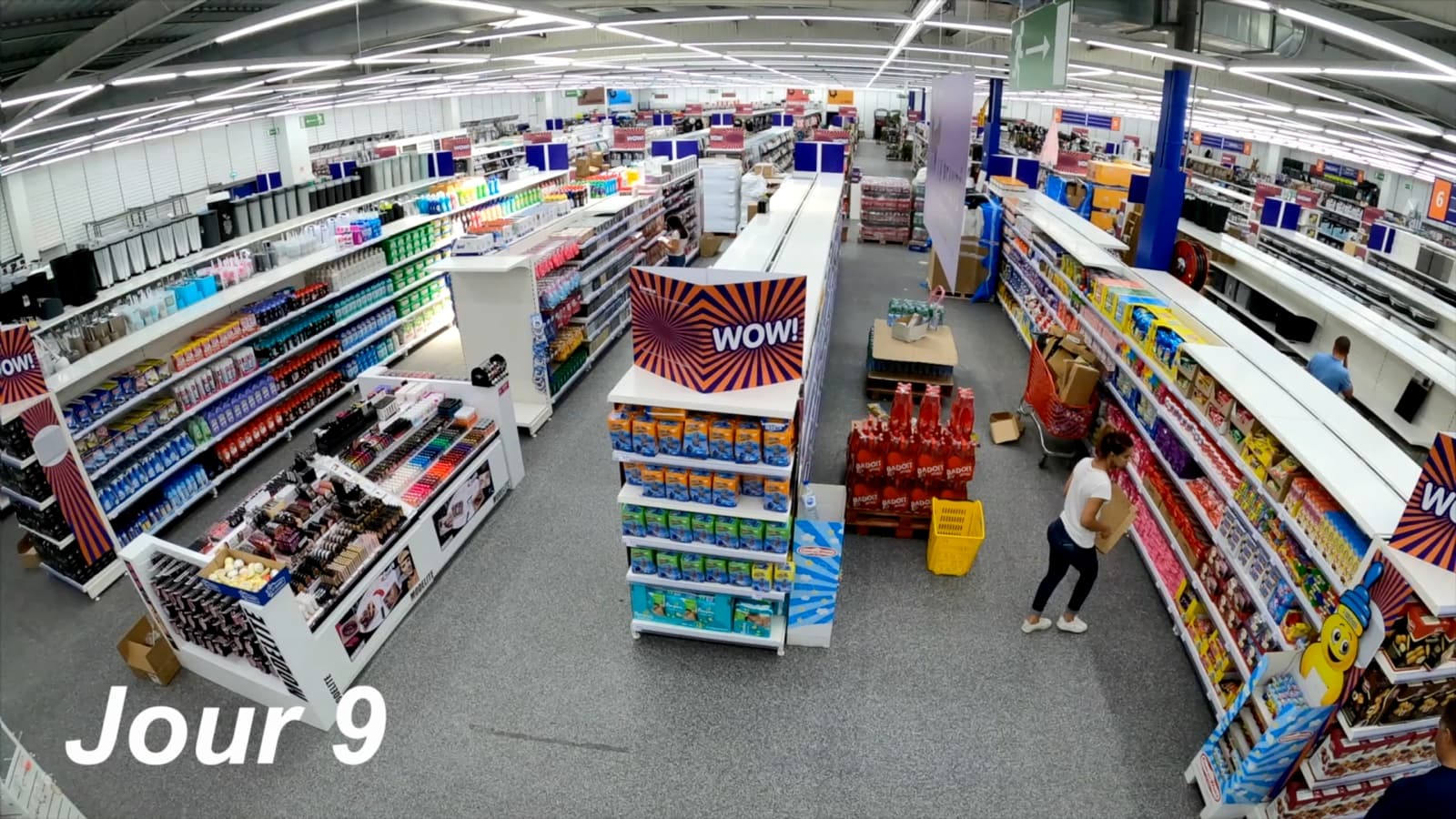
Floor debris clearance, shelf and price-rail checks, and documented handover walkthrough completed prior to customer opening.
Ludovic Martin led the operational delivery of a 105-store transformation programme for B&M France following the Babou conversion. Across stores averaging approximately 3,000 m² — with some sites up to 4,500 m² — the programme combined full store remodelling, fixture work, stock movement, store filling and overnight handback.
Each store was delivered in no more than nine overnight shifts, with dedicated field teams operating in parallel across the programme.
Every store project has its own division of responsibility. IPS StoreOps can take on a focused scope — such as fixture installation, store filling or merchandising — and work alongside the client’s other suppliers. Where the client needs one coordinated delivery sequence, we can also combine these stages into one operational programme.
The benefit is simple: the client chooses the level of support required, while keeping one team able to understand the full store objective.
Following the acquisition of approximately twenty stores, Maxi Bazar appointed Ludovic Martin and his operational teams to convert the locations into the Maxi Bazar concept.
The scope combined fixture change, layout transformation, store filling and merchandising. In parallel, the teams also supported several new store openings.
Ludovic Martin and his operational teams delivered one full store remodel in Poitiers for a La Foir'Fouille client.
The Poitiers intervention covered a store of just over 3,000 m² and was completed in seven overnight shifts. The project included a new 500 m² extension. Fixture installation was delivered by another contractor; the operational teams carried out the store transformation, filling and merchandising work.
When a remodel would otherwise force a store to close, IPS StoreOps can organise a temporary retail space close to the site. The purpose is practical: keep stock accessible, keep customers buying and protect trading continuity while the permanent store is rebuilt.
For a Maxi Bazar remodel, a 500 m² temporary structure operated for three months. The transferable part of the store moved into the temporary sales space, with offices, gondolas and a central aisle recreated on site. Bulky volumes stayed outside the temporary setup.
IPS assembled the temporary structure, transferred the fixtures and merchandise into it, then returned the fixtures and merchandise to the completed store before dismantling the structure. This avoided unnecessary boxing, return transport and paid storage that produces no sales. Keeping stock close to the intervention reduced avoidable handling and transport — and therefore the associated environmental impact — while reducing customer disruption. The client retained the ability to trade rather than sending customers to competitors.
A temporary structure was hired and used as a labelled operating area for tools and materials, preventing unnecessary congestion in the client's back room.
22 temporary structures of 300 m² were rented, erected and dismantled to create additional sales capacity for spring and Christmas trading periods.
In some projects, yes. A temporary retail structure can allow part of the sales activity to continue while renovation or major store works take place.
IPS StoreOps can assess whether a temporary retail space is practical for the site, then coordinate the operational work around it: erecting and dismantling the structure, transferring suitable fixtures and merchandise, supporting the temporary selling area, and moving the store back after the works.
This can reduce unnecessary handling, storage and return transport while keeping merchandise close to the operation. Most importantly, it can help the client maintain customer access and sales activity instead of closing completely — where the project conditions make that solution viable.
Share your current and target store plans, the scope required and the dates that matter. IPS StoreOps will review the operation, define the right delivery sequence and confirm the field-team setup.
Overnight execution is our operating standard: it gives our teams the working conditions, focus and productivity required to hand back a clean, safe and organised store for the next trading day. Daytime work may be considered only where the intervention area is closed and the project conditions make it appropriate.